














Developers lose 23+ minutes regaining focus after each interruption, costing teams 1 to 2 productive hours daily. For SaaS and enterprise software projects, this hidden productivity drain translates into delayed launches, budget overruns, and frustrated engineering teams. Dedicated teams offer a proven solution by assigning specialists exclusively to one project, eliminating costly context switching and enabling sustained deep work that drives project success.
Table of Contents
- Understanding The Impact Of Context Switching On Software Teams
- How Dedicated Teams Minimize Context Switching And Boost Efficiency
- Comparing Dedicated Teams To Other Software Delivery Models
- Best Practices To Maximize Dedicated Teams’ Impact In SaaS And Enterprise Projects
- Explore Dedicated Team Software Solutions With DevPulse
- Frequently Asked Questions
Key takeaways
| Point | Details |
|---|---|
| Context switching drains productivity | Developers lose 23+ minutes to regain focus after each interruption, resulting in 1 to 2 lost productive hours daily. |
| Dedicated teams minimize multitasking costs | Exclusive project focus reduces task switching, enabling deeper domain knowledge and faster problem solving. |
| Measurable financial impact | Context switching costs developers $47K annually in lost productivity per person. |
| Long term collaboration drives efficiency | Stable teams build trust, streamline communication, and maintain uninterrupted deep work sessions. |
Understanding the impact of context switching on software teams
Interruptions plague modern development environments. Research shows developers face distractions every 6 to 12 minutes during work sessions. Each interruption forces a mental shift that costs over 20 minutes to regain full focus, resulting in 1 to 2 lost productive hours daily.
This pattern creates substantial losses in deep work time and elevates cognitive fatigue across engineering teams. The financial toll is staggering. Context switching costs individual developers $47K per year in reduced productivity, money that could fund additional headcount or accelerate feature development.
Frequent task switches reduce cognitive performance by up to 40%, directly increasing burnout risks among your best engineers. When developers constantly juggle multiple priorities, projects, or codebases, their brains never fully engage with complex problem solving. The result is slower velocity, more bugs, and frustrated team members who feel perpetually behind.
Pro Tip: Watch for high files per pull request as a signal of internal context switching within your codebase. This metric often reveals developers spreading attention across too many simultaneous changes, compromising code quality and review effectiveness.
The productivity impact extends beyond individual contributors. Teams operating under constant context switching face compounding communication overhead. Handoffs multiply. Knowledge silos form. Technical debt accumulates faster because no one maintains sustained focus long enough to refactor properly.
“The hidden cost of multitasking in software development isn’t just slower output. It’s the erosion of code quality, team morale, and strategic thinking that compounds over months and years.”
For organizations seeking to improve engineering efficiency, addressing context switching must be a top priority. Engineering outsourcing strategies that reduce multitasking can reclaim significant productive capacity without adding headcount.
How dedicated teams minimize context switching and boost efficiency
Dedicated teams operate on a fundamentally different model than traditional project staffing. These teams consist of specialists assigned exclusively to one client’s project over an extended period, typically months or years rather than weeks. This proven collaboration approach eliminates the primary driver of context switching by ensuring developers maintain singular focus.
The stability inherent in dedicated teams creates compounding productivity benefits. Team members build deep domain knowledge that accelerates decision making and reduces errors. They understand your business logic, technical architecture, and product roadmap intimately. This expertise means less time spent on ramp up, documentation review, or asking clarifying questions that interrupt workflow.
Exclusive collaboration helps maintain continuous, uninterrupted deep work sessions that are essential for complex problem solving. When your team knows they own one codebase and one set of priorities, they can structure their days around sustained focus blocks. No emergency requests from other projects. No competing deadlines fragmenting attention.
Client and team alignment strengthens over time, fostering trust and transparent communication patterns. You work with the same engineers sprint after sprint, building relationships that streamline collaboration. Code reviews become faster because reviewers understand context. Architecture decisions improve because the team has learned from past choices.
Dedicated teams deliver measurable velocity improvements compared to constantly rotating contributors. Consider these structural advantages:
- Reduced onboarding overhead because team composition remains stable
- Accumulated tribal knowledge that prevents repeated mistakes
- Streamlined communication with consistent team members and protocols
- Predictable capacity planning enabling accurate roadmap commitments
- Cultural alignment that develops through sustained partnership
Pro Tip: Clearly define roles, communication protocols, and escalation paths upfront to maximize dedicated team benefits. Ambiguity about who owns what creates internal context switching even within a dedicated model.
Real world implementations demonstrate these benefits. Our work on a unified cloud file management platform showcased how a stable dedicated team navigated complex integration challenges faster than project based contractors could. The team’s deep understanding of the client’s infrastructure enabled proactive problem solving that prevented costly delays.
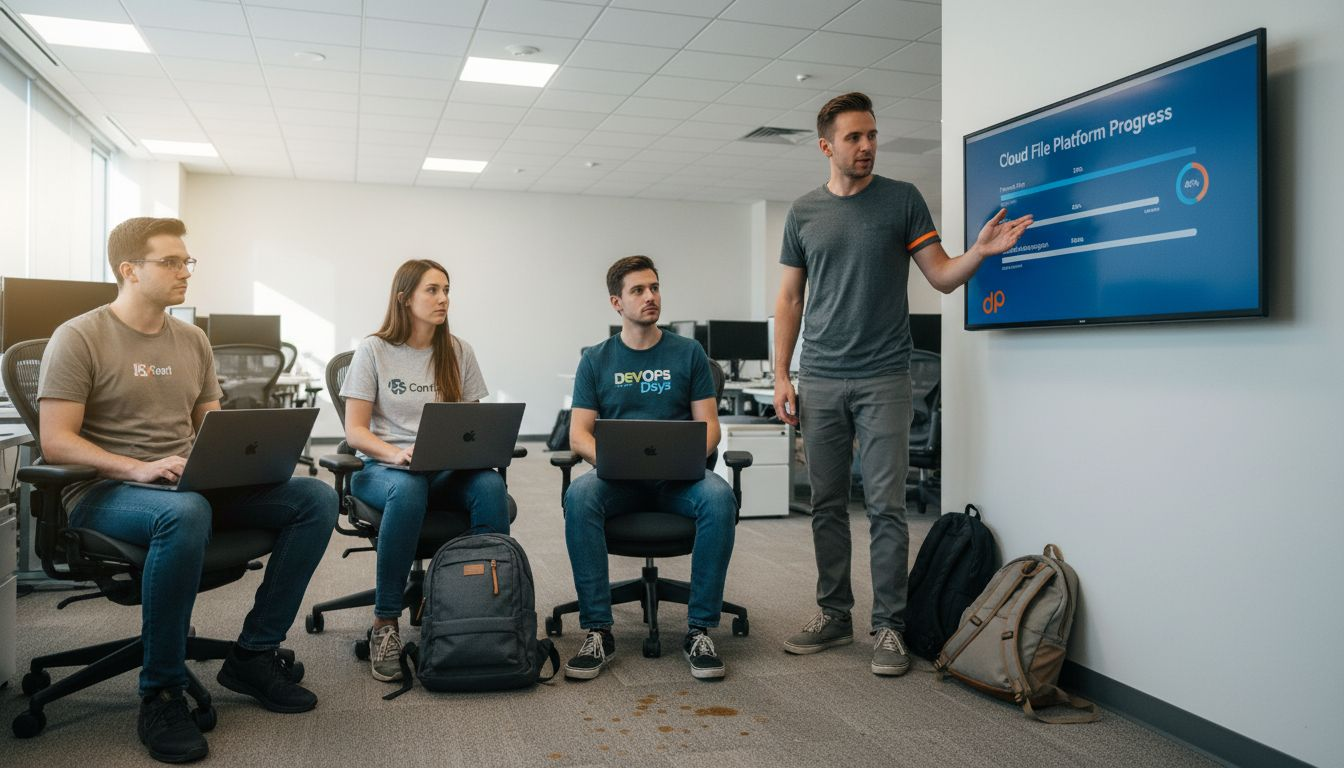
Similarly, our collaboration platform development team maintained velocity through multiple feature releases because specialists stayed focused on one product vision. This continuity enabled architectural decisions that considered long term maintainability rather than short term delivery pressure.
The dedicated model also supports better work life balance for engineers. Without constant project switching, developers experience less cognitive fatigue and burnout. They can take genuine ownership of code quality because they know they’ll maintain what they build. This psychological investment translates into cleaner code, better testing practices, and proactive technical debt management.
For organizations requiring ongoing technical support and maintenance, dedicated teams provide superior continuity. The same engineers who built features can troubleshoot issues, implement updates, and optimize performance without the knowledge transfer tax that plagues rotating staff models.
Comparing dedicated teams to other software delivery models
Three primary models dominate software project staffing: dedicated teams, project based engagement, and staff augmentation. Each approach offers distinct trade-offs in cost structure, control, productivity, and collaboration dynamics.
| Model | Cost Structure | Team Stability | Context Switching | Best For |
|---|---|---|---|---|
| Dedicated Teams | Monthly retainer for exclusive focus | High, same team over months/years | Minimal, one project focus | Long term SaaS products, complex enterprise systems |
| Project Based | Fixed price or milestone payments | Low, team disbands after delivery | High, team juggles multiple clients | Short term projects with clear scope |
| Staff Augmentation | Hourly or contractor rates | Medium, individuals rotate | Medium to high, resources multitask | Temporary capacity gaps, specialized skills |
Dedicated teams provide exclusive focus and long term collaboration versus the short term engagement typical of project based models. When you hire a project based team, they’re simultaneously managing multiple client deadlines. Your project competes for attention with their other commitments, introducing the exact context switching problems dedicated teams eliminate.
Staff augmentation offers resource scaling flexibility but often lacks alignment and team cohesion. You gain individual contributors who fill skill gaps, but they operate within your existing team structure and processes. If your internal teams already suffer from context switching, augmented staff inherit those same productivity drains. They also face integration challenges that slow initial contributions.
Dedicated teams reduce context switching compared to frequently changing contributors because knowledge stays within a stable group. Project based models typically reassign engineers to new clients once milestones complete, forcing constant knowledge transfer. Staff augmentation contractors may rotate off when contracts end or better opportunities arise.
The cost comparison requires looking beyond hourly rates. Dedicated teams command higher monthly commitments but deliver superior velocity and code quality. Custom software development with dedicated teams often costs less overall because you avoid the rework, delays, and technical debt common in multitasking environments.
Consider these practical trade-offs:
- Dedicated teams excel when product complexity demands deep expertise and minimal disruption
- Project based works for well defined, time boxed initiatives with clear completion criteria
- Staff augmentation suits urgent skill gaps or highly variable workload patterns
- Dedicated teams struggle if project scope remains uncertain or budget constraints limit sustained engagement
- Project based fails when requirements evolve significantly or long term maintenance matters
- Staff augmentation underperforms for work requiring tight team coordination or cultural fit
Best practices to maximize dedicated teams’ impact in SaaS and enterprise projects
Successfully implementing dedicated teams requires deliberate planning and ongoing management. These practices help CEOs and VPs extract maximum value from the dedicated team model.
- Define clear goals, KPIs, and communication protocols upfront with your dedicated team to establish shared success metrics and alignment.
- Prioritize minimizing interruptions and protecting deep work time by scheduling focused blocks and limiting meeting overhead.
- Review workload and context switching metrics regularly to identify emerging issues before they impact velocity.
- Foster close collaboration and transparency through daily standups, retrospectives, and open communication channels that build trust.
- Use agile practices tailored to dedicated teams’ exclusive focus, avoiding ceremony that creates unnecessary overhead.
- Invest in team cultural fit during selection to ensure values alignment that sustains long term partnership.
Pro Tip: Align incentives and cultural fit to sustain long term dedicated team engagement. Teams that share your values around quality, communication, and customer focus deliver better outcomes consistently.
Quantifying context switching impact helps justify protective measures. Research shows reducing context switching by 15% can reclaim about 17 hours of deep work per week for a 10 person team. That’s nearly half an additional full time engineer’s capacity recovered simply by protecting focus.
Implement these tactical approaches:
- Batch communications into designated windows rather than allowing constant Slack interruptions
- Establish core focus hours when meetings and non critical requests are prohibited
- Create clear escalation criteria so teams know which issues genuinely require immediate attention
- Measure pull request cycle time and work in progress limits to catch multitasking patterns early
- Conduct regular context switching audits where teams log interruptions and identify reduction opportunities
Leadership commitment proves essential. When executives model focus practices and shield teams from unnecessary distractions, the entire organization benefits. Conversely, if leadership constantly pulls engineers into meetings or last minute priority changes, dedicated team benefits erode quickly.
Partner with providers offering software enhancement services that understand these dynamics. The best partners proactively manage context switching risks and maintain team stability even as your needs evolve. Review their project case studies to assess whether they successfully maintain dedicated team focus across long engagements.
Regular retrospectives should explicitly address context switching and focus quality. Ask your dedicated team where they feel distracted or spread thin. Their frontline perspective often reveals organizational patterns that inadvertently fragment attention.
Explore dedicated team software solutions with DevPulse
Your software projects deserve the sustained focus that drives exceptional results. DevPulse provides expert dedicated teams engineered specifically for SaaS and enterprise software needs, eliminating the context switching that undermines project success.
Our proven processes minimize multitasking and maximize deep work productivity through stable team composition and exclusive project focus.
Explore our software engineering services showcasing how dedicated teams accelerate complex projects while maintaining code quality. Review real world case studies demonstrating measurable velocity improvements and cost savings.
Partner with DevPulse to access specialists who build deep domain knowledge in your product, enabling faster decision making and fewer errors. Our technical support and maintenance services ensure continuity beyond initial development, with the same engineers who built your features available for ongoing optimization.
Frequently asked questions
What is a dedicated team in software development?
A dedicated team consists of specialized developers assigned exclusively to one client’s project over an extended period, typically months or years. Unlike project based models where teams juggle multiple clients simultaneously, dedicated teams maintain singular focus on your codebase, requirements, and business goals. This exclusive assignment builds deep product expertise that enables faster development cycles and fewer defects.
How do dedicated teams improve productivity?
Dedicated teams minimize context switching by eliminating competing priorities that fragment developer attention. When engineers focus on one project exclusively, they maintain sustained deep work sessions essential for complex problem solving. Stable team composition reduces cognitive fatigue and communication overhead because the same people collaborate sprint after sprint, building shared understanding that accelerates decision making.
When should a company consider using dedicated teams?
Dedicated teams work best for long term projects requiring sustained focus and accumulated domain expertise. Consider this model when product complexity demands deep technical knowledge and minimal multitasking distractions. Organizations seeking to improve team stability, reduce onboarding overhead, and maintain consistent velocity across multiple release cycles see the strongest returns from dedicated team investments.
What are the potential challenges with dedicated teams?
Misaligned expectations between client and team can reduce effectiveness if goals or communication protocols remain unclear. Poor role definition may create internal task switching even within a dedicated structure, undermining focus benefits. Cultural misfit between your organization and the dedicated team can hinder collaboration quality. Mitigate these risks through clear upfront agreements, defined roles, regular feedback loops, and careful partner selection that prioritizes cultural alignment alongside technical skills.
Recommended
- Why outsource software development? Strategic guide 2026
- Technical Support & Maintenance Services – devPulse
- DevOps Implementation Guide 2025: Real-World Strategies for Building-Ready Delivery Pipelines – devPulse
- Full-Cycle Development Services | End-to-End Software Solutions | devPulse
- 2025 Team Building Methods: Complete Guide for Teams – Blog
- Varför företag behöver IT-stöd 2026: 40% högre produktivitet